 Founded by Maharishi
Mahesh Yogi
Founded by MaharishiWhat happens when someone who works daily with stress, trauma and human behaviour practises Transcendental Meditation® (TM) for nearly half a century?
For Australian clinical psychologist Patrick O’Connor, the answer is simple: greater calm, clearer thinking and the ability to stay present — even in demanding environments.
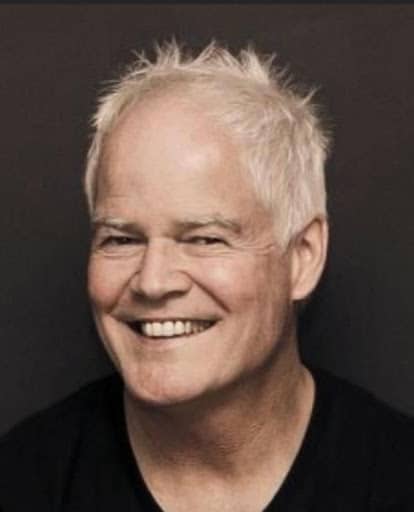
Speaking with Stillness and Success podcast host Mustafa Nuristani during a meditation retreat in India, Patrick shared how Transcendental Meditation has supported him through a long career in clinical psychology, community mental health and forensic psychiatry — while also enhancing his life as a performing musician.
His story offers a rare long-term perspective on the real-world impact of TM.
Patrick has worked as a clinical psychologist for 46 years, supporting individuals, families and services across Western Australia.
His work has included:
“I’ve always been drawn to helping people,” he said.
Rather than focusing only on one-to-one therapy, his approach looks at the wider systems surrounding individuals — families, services and communities — helping them function more effectively.
Patrick first learned Transcendental Meditation in 1977 while studying at university.
At the time, he was experiencing intense stress and anxiety.
“I wasn’t sleeping and felt very panicky,” he said.
Although he had heard about meditation through musicians of the time, it was a chance introduction at work that planted the seed to learn TM.
Soon after receiving the technique, he noticed an immediate shift.
“I couldn’t stop laughing,” he recalled.
“It felt like a release.”
He describes the experience not as something forced, but as the natural result of deep relaxation and letting go.
Within weeks, Patrick noticed lasting changes.
“A steadiness came into my life,” he said.
“The anxiety just started to fade.”
Rather than feeling overwhelmed by stress, he found himself approaching life with more confidence and certainty.
“It became easier to move forward without that constant nervousness.”
This early experience eventually inspired him to explore advanced TM programs and attend retreats — deepening his practice and understanding.
Throughout his career, Patrick has worked in settings that many people would find psychologically confronting — including forensic psychiatric environments and maximum-security facilities.
“You walk into these places and your palms are sweating at first,” he said.
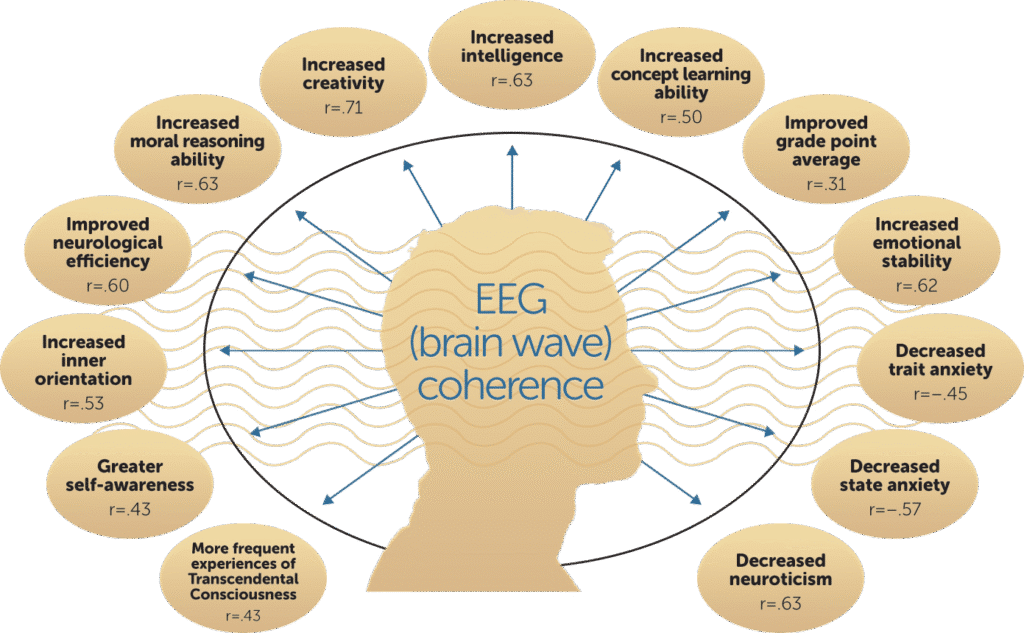
Over time, he noticed that Transcendental Meditation helped him maintain stability and composure when entering challenging situations.
“You need to be grounded.”
TM, he says, supports that groundedness by allowing the nervous system to release accumulated stress on a daily basis.
One of Patrick’s most practical observations about meditation is how it separates professional stress from personal life.
“The way I describe it is that meditation creates a clean break between the day and the evening,” he said.
After meditating, he notices that the events of the day no longer dominate his mind.
“You remember what happened, but you’re not re-experiencing it.”
For professionals exposed to ongoing stress — including healthcare workers, teachers and service providers — this reset can be essential for long-term wellbeing.
Patrick began attending TM retreats early in his practice and says they played an important role in his development.
“It’s more than just a holiday,” he said.
“You feel that something inside has developed.”
Now participating in a retreat in India alongside meditators from around the world, he describes the experience as smooth, quiet and deeply settling.
“The days just flow.”
Outside psychology, Patrick is also a musician performing in live bands across Western Australia.
He says TM has significantly changed his experience on stage.
“I feel completely at ease while playing,” he said.
Rather than feeling anxious or mentally exhausted, he experiences a natural state of flow.
“You can look out at the audience and just be present.”
The result is performance that feels effortless.
“I come off the stage exhilarated, not stressed.”
When asked to describe the long-term effect of Transcendental Meditation, Patrick points to one quality above all others — presence.
“You’re just there in the moment,” he said.
That sense of awareness, often described by TM practitioners as effortless alertness, allows activity to feel smoother and more enjoyable — whether working, creating or relaxing.
After nearly five decades of daily practice, Patrick says the benefits of TM remain both practical and profound.
“It gives you a fresh start every time,” he said.
For him, Transcendental Meditation has become less about seeking a special experience and more about supporting everyday life — helping him remain effective at work, creative in music and present with family and friends.
Transcendental Meditation is a simple, natural technique practised for 20 minutes twice daily. It is widely used around the world to reduce stress, improve focus and support overall wellbeing.
To learn more about Transcendental Meditation (TM) and upcoming courses, visit tm.org.au.